What is it
Call to action— or CTA— is a powerful tool used in marketing and communication strategies to prompt and encourage a specific action from the target audience. It serves as a clear and persuasive invitation that directs customers to take the next step, whether it’s making a purchase, subscribing to a newsletter, filling out a form, or engaging in any other valuable action.
How it works
CTAs work by employing persuasive language and strategic placement to capture the attention of the audience and motivate them to take action. They often utilize actionable verbs, personalized messaging, and a sense of urgency to create a sense of excitement and encourage immediate response. CTAs can be presented in various formats including buttons, banners, hyperlinks, or textual prompts.
Benefits of CTA (Call to Action)
CTAs are crucial elements in marketing campaigns, website design, social media posts, email newsletters, and various promotional materials. They serve as a direct and compelling call for the audience to engage further with a brand, converting their interest into concrete actions. By effectively implementing CTAs, businesses can guide potential customers through the conversion funnel, increase engagement and drive desired outcomes.
What it is
Do you run campaigns and need to measure their success? One of the important metrics you can use to track the success and effectiveness of your marketing activities is conversions. You can measure conversions by any action a visitor takes on your website. What constitutes a desired conversion in a campaign is then determined by the company or marketing team itself.
What might be an example of a conversion?
- Filling out a form on a website
- Opening a sent email
- Adding an item to the cart
- Successful completion of an order
- Clicking on a product
- Sharing on social media
How to calculate conversion rates
A conversion rate is calculated by dividing the number of active participants of a company website by the number of passive viewers. The definition of a successful conversion varies depending on the type of business, and is to be defined by the company conducting their conversion rate.
What is it
Customer relationship management— or CRM— is a dynamic process through which businesses effectively manage their interactions with customers. By harnessing the power of data analysis, CRM systems enable organizations to gain valuable insights from a variety of available information.
How it works
Customer relationship management systems collect data from a range of various communication channels, including but not limited to websites, emails, live chats, and social media platforms. This compilation of information empowers businesses to better understand their customers, and tailor their approaches to meet their specific needs.
Benefits of CRM (Customer Relationship Management)
The primary goal of customer relationship management is to foster customer loyalty, retain their business, and ultimately improve sales. CRM’s holistic approach effectively analyzes consumers’ patterns and behaviors from the company’s perspective, providing valuable and insightful information for strategic marketing use.
What is it
Click through rate— or CTR— measures the ratio of customers who click on a specific link, email, or advertisement, versus the total number of customers who viewed it. CTR is an important metric for companies to analyze, as it helps assess the effectiveness of a marketing campaign, and the rate of customer engagement.
How it works
Click through rates are typically expressed as percentages, and are calculated by dividing the number of clicks by the number of views of a link, email, or advertisement. A higher CTR generally indicates that the item being advertised to customers is effective, compelling. and relevant to its audience. A lower CTR, on the other hand, may indicate that the campaign needs adjusting or improving, in order to increase customer interest and interaction.
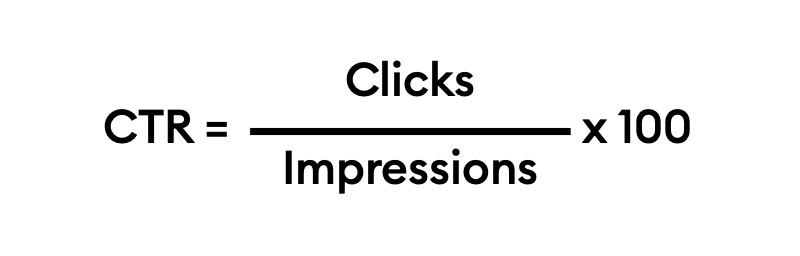
Benefits of CTR (Click Through Rate)
Analyzing CTR data helps evaluate the performance and effectiveness of a campaign by optimizing ad placements, identifying target audiences, and generally enhancing the effectiveness of a company’s marketing strategies.
What Does it Mean when your email Bounces?
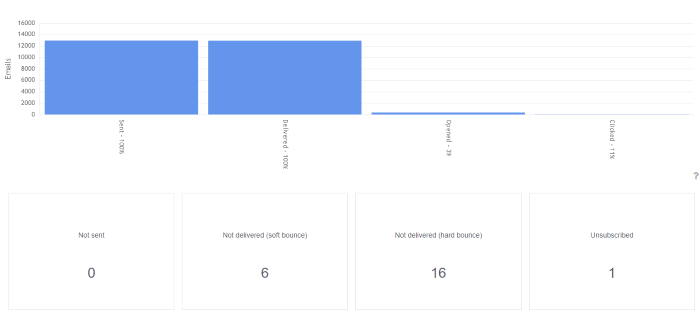
Email bounce means the rejection of an email by the recipient server. There are soft bounces, i.e. temporary bounces that are typically fixed after some time. A usual soft bounce is Mailbox is full. Hard bounces mean a permanent problem. For example a non-existing mailbox.
Sending emails to bounced addresses is an undesirable practice that could harm your delivery rates. That’s why Incomaker not only informs you about bounce rates in your reports but also stops sending emails to bounced addresses automatically after several attempts.
What it is and why it is importantSEO, which stands for Search Engine Optimization, is a set of strategies and tactics that are used to improve a website’s visibility in search results. The goal of SEO is to achieve the highest possible position in search results for a particular keyword or phrase.
SEO is important because most online experiences begin with a search engine. Studies show that websites on the first page of Google search results get almost 95% of all clicks. This means that if your website is not optimized for search engines, you are likely losing a large number of potential customers.
How SEO works
SEO involves a number of tactics that fall into two main categories: on-page SEO and off-page SEO.
On-page SEO refers to all the factors on your website that you can control. This includes:
- Keywords: Keywords are words and phrases that people type into search engines. Your website should be optimized for keywords that are relevant to your business or industry.
- Content Quality: Search engines prefer websites that provide quality and useful content. This means that you should regularly publish well-written and informative content that answers questions and solves problems for your visitors.
- Meta tag optimization: Meta tags, such as titles and descriptions, can help search engines better understand your page content
Off-page SEO refers to factors outside of your website that can affect its position in search results. This includes:
- Backlinks: Backlinks are links to your website from other sites. Search engines consider backlinks as evidence of your site’s credibility and authority. The more quality backlinks you have, the better.
- Social signals: These are social media interactions such as likes, shares and comments that can influence how search engines perceive your website.
- Online reviews: Positive reviews on sites like Google My Business or Yelp can improve your online reputation and help increase your visibility on search engines.
SEO and its importance for business
SEO is crucial for any business that wants to be successful online. Without SEO, your website is less visible to potential customers, which can lead to less traffic and fewer sales.
In addition to increasing your website’s visibility, SEO can also help improve the user experience. Search engine optimization often involves improving page load speed, making navigation easier, and creating quality content, all of which can contribute to a better user experience.
SEO is also cost-effective. Unlike paid advertising strategies like PPC, SEO primarily requires time, not money. Although it can take time to see results, the long-term benefits of SEO often outweigh the initial costs.
In today’s digital age, SEO is essential for any business that wants to be successful online. With a well-executed SEO strategy